A recent YouTube video with Dr. David Deutsch sparked a question from someone in the comments: If a robot is equipped with advanced sensors and computational power, could it experience sensations and create knowledge like humans or animals do? Or is there a fundamental limitation to what AI and robotics can achieve? I have seen this asked in many guises so wanted to address this question specifically in this post.
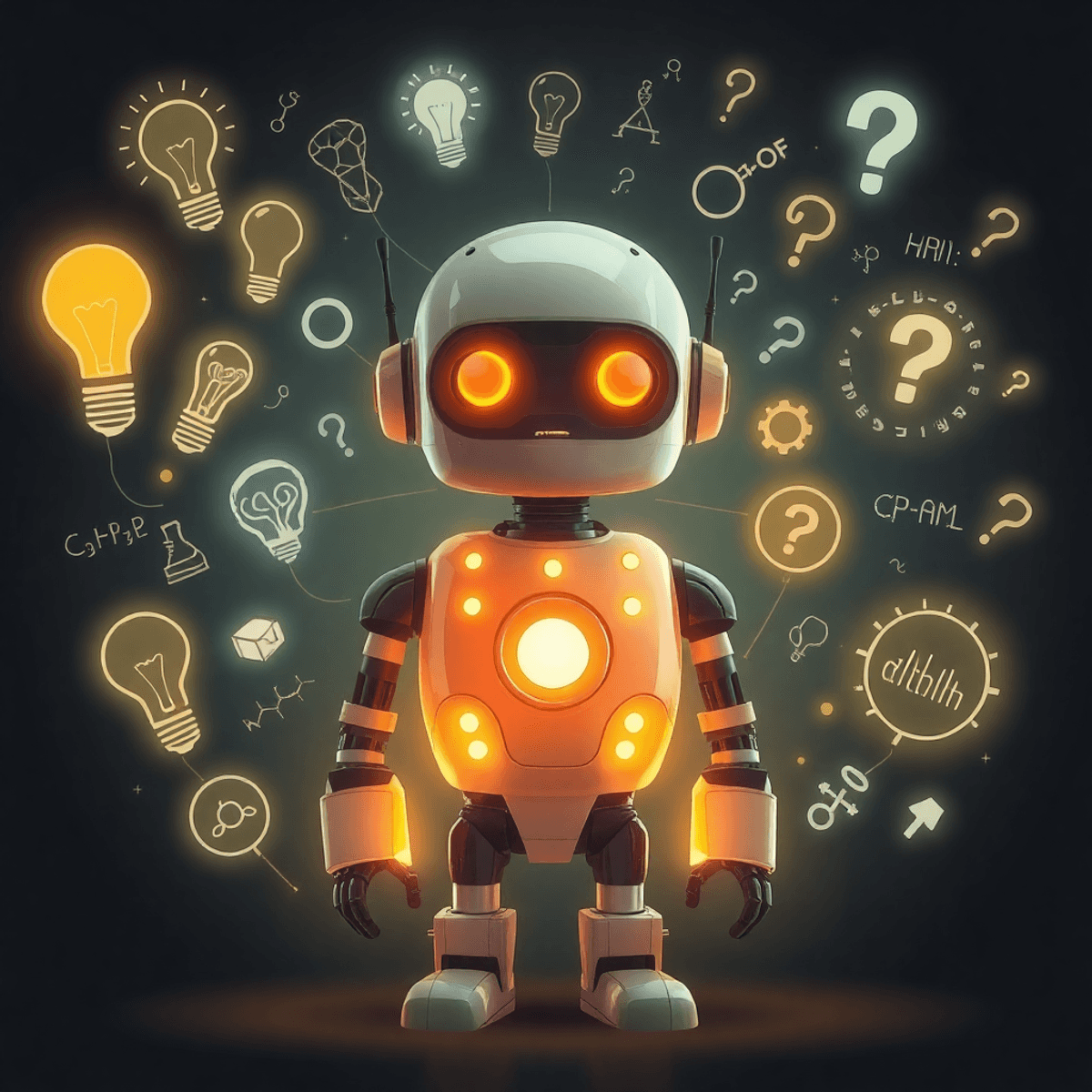
The Sensory Argument
Some argue that by outfitting a robot with sensors—touch, temperature, sight, and more—it could experience the world in ways similar to humans, or even surpass us by perceiving things we cannot (e.g., polarization of light, infrared vision, nanosecond timing).
The Creativity Problem
However, the ability to sense is not the same as the ability to create knowledge. Creativity is not a product of sheer computational power or data. The internet and cloud computing process vast amounts of information, yet they do not generate new scientific theories or knowledge.
Popper’s Philosophy: Conjecture and Criticism
The best theory we have for how knowledge is created comes from Karl Popper: conjecture and criticism. Knowledge advances when we propose bold ideas (conjectures) and rigorously test them (criticism), especially against reality.
What Would Make a Robot an AGI?
For a robot to be a true AGI (Artificial General Intelligence), it must:
- Formulate its own conjectures, not just process data.
- Criticize and test these conjectures, improving its models.
- Discover knowledge unpredictably, not just follow programmed instructions.
- Have discoveries that are not embedded by its creators.
Rarity of Discovery
Just as few humans discover new scientific theories, we shouldn’t expect every creative robot to do so. Creativity is rare, even among intelligent beings.
Conclusion
The path to AGI is not about more sensors or faster computation, but about enabling genuine creativity—conjecture and criticism—within a system. Only then could a robot truly experience and create knowledge beyond its current capabilities.
Much of the thinking in this post is inspired by the work of David Deutsch, whose ideas on knowledge creation and the philosophy of science have profoundly influenced my understanding of these topics. For a deeper dive, check out his book, "The Beginning of Infinity," and his other writings and talks.